A spoofing attack is a cybersecurity tactic where attackers disguise themselves as trusted sources – through fake emails, fraudulent websites, manipulated IPs, or falsified caller IDs […]
Privileged Access Management (PAM) is about keeping security-critical accounts in check. These accounts go far beyond regular user logins, connecting directly to critical systems, sensitive data, […]
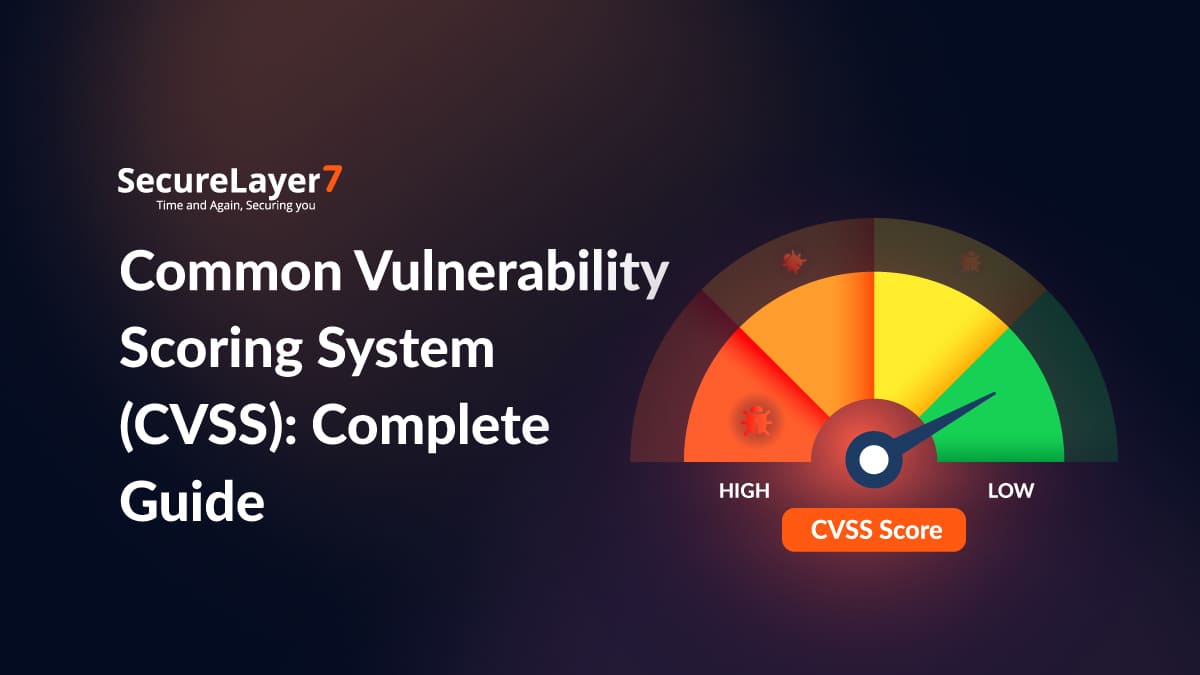
The Common Vulnerability Scoring System (CVSS) is an open, standardized framework used to measure and communicate the severity of security vulnerabilities in software and information systems. […]
Introduction At the start of 2025, on January 14th, Microsoft released over 20+ CVEs addressing Remote Code Execution (RCE) vulnerabilities in Microsoft Telephony Services, primarily caused […]
A new security threat, known as LLMjacking or LLM Jacking, has emerged on the cybersecurity landscape. LLMjacking refers to a methodology used by threat actors in […]
SOPlanning, a widely used planning and resource management tool, has a significant vulnerability that could allow attackers to execute arbitrary code on affected systems. The specific […]
Active Directory (AD) is a critical component of IT infrastructure in many organizations. It is a centralized system for managing user identities, computers, and network resources. […]
Ransomware has become a significant threat to numerous organizations worldwide. These attacks can encrypt important files, making them utterly unreachable until a ransom is paid. These […]
Broken Function Level Authorization (BFLA) is a critical security vulnerability that arises when an application fails to enforce proper authorization checks for specific functions or actions. […]